Events needed a cross-device entry point.
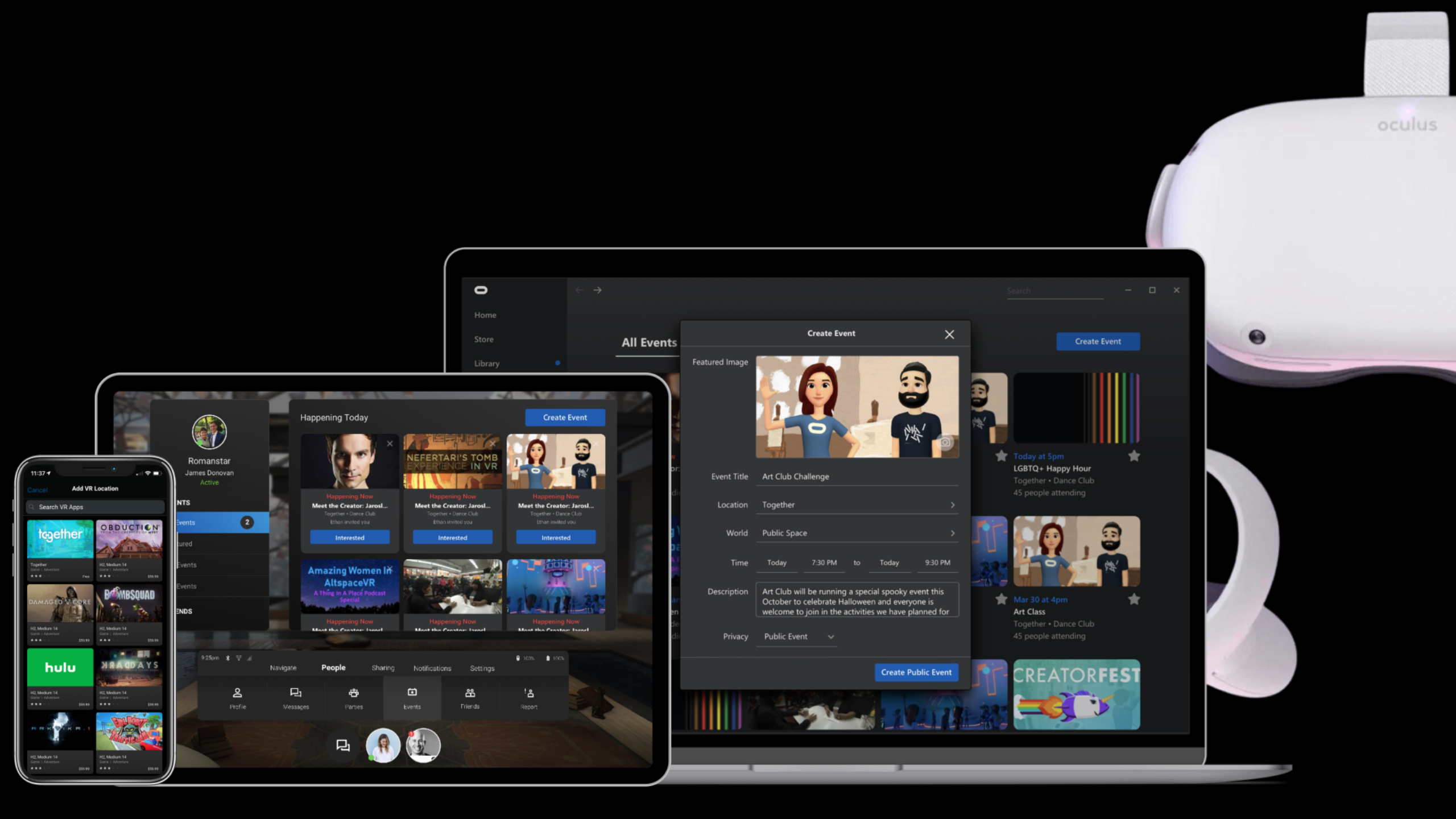
The events system had to create a shared mental model for participation across devices. Discovery, inspection, management, and entry into VR all needed to feel continuous.
Meta / Spatial computing + connectivity + growth
A combined case study spanning Oculus event systems, Connectivity Lab network-planning tools, and Facebook Pages growth surfaces. The through-line is designing interfaces that make complex systems legible.
Meta / 01
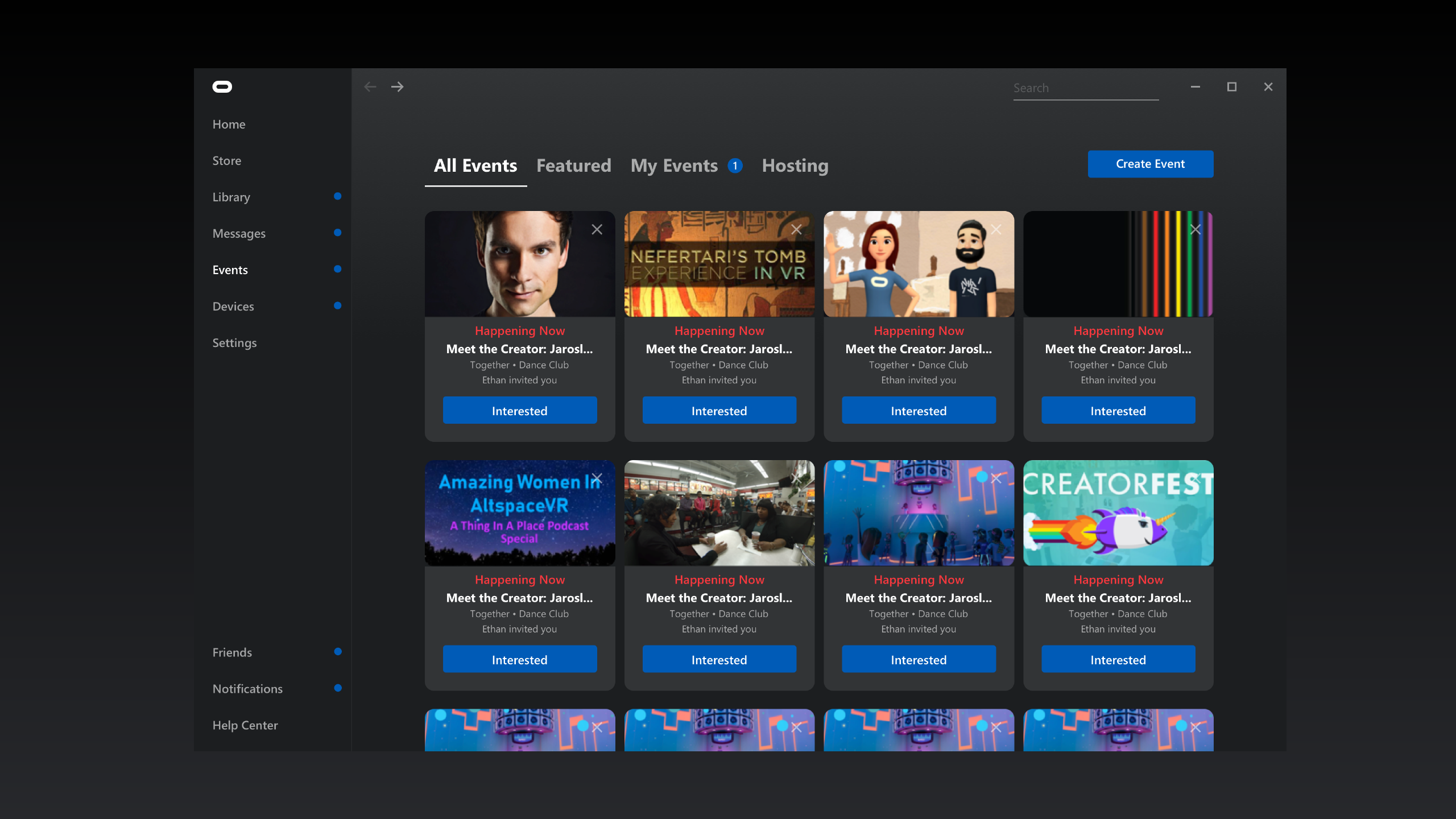
Events had to feel understandable before someone entered VR, useful inside a shared world, and persistent enough to support planning, invitations, and social return.
The events system had to create a shared mental model for participation across devices. Discovery, inspection, management, and entry into VR all needed to feel continuous.
Desktop became a planning and management surface where users could browse, organize, and commit before crossing into VR.
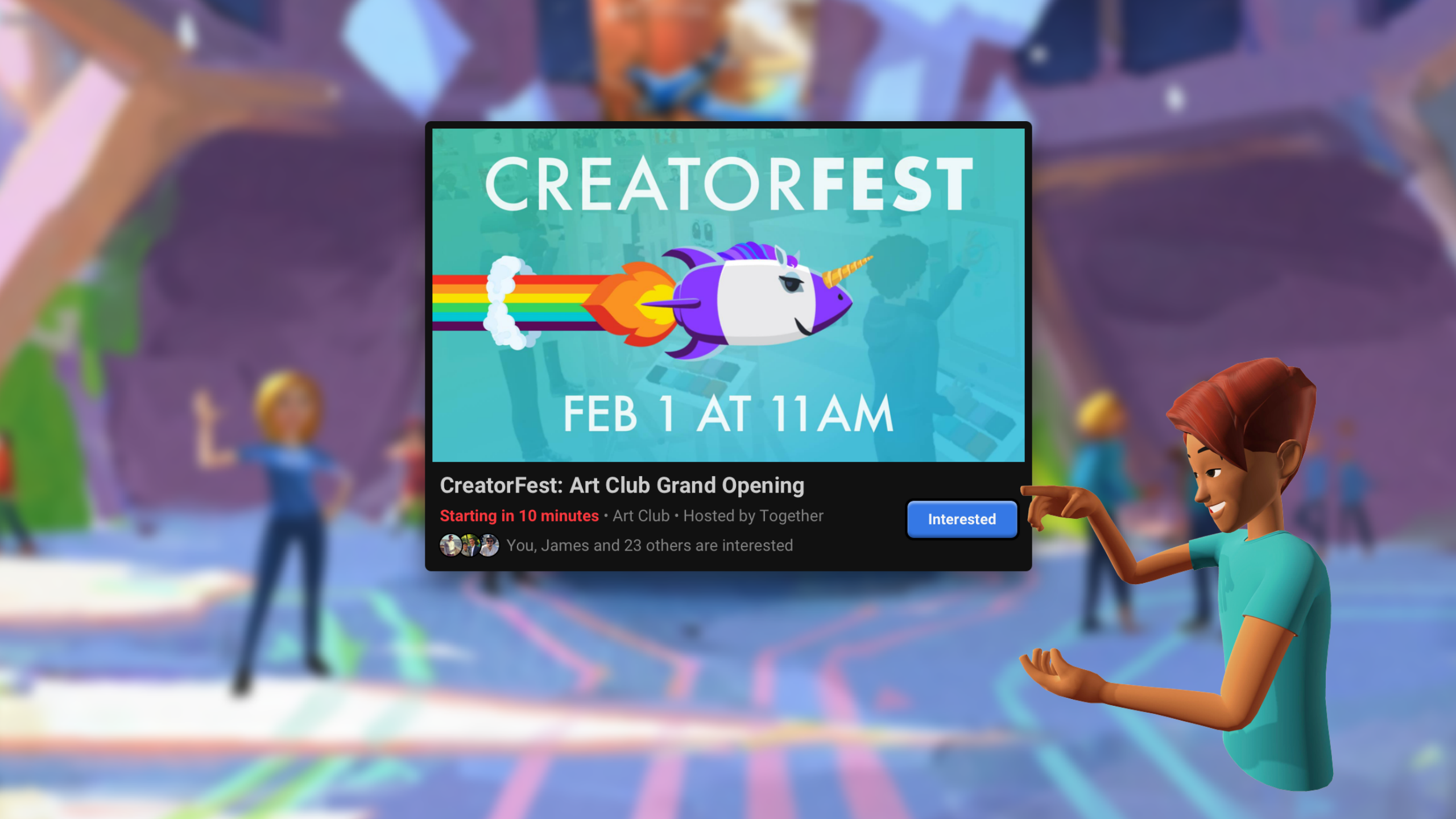
Event metadata and social signals needed to support presence without feeling like flat overlays pasted onto a world.
Meta / 02
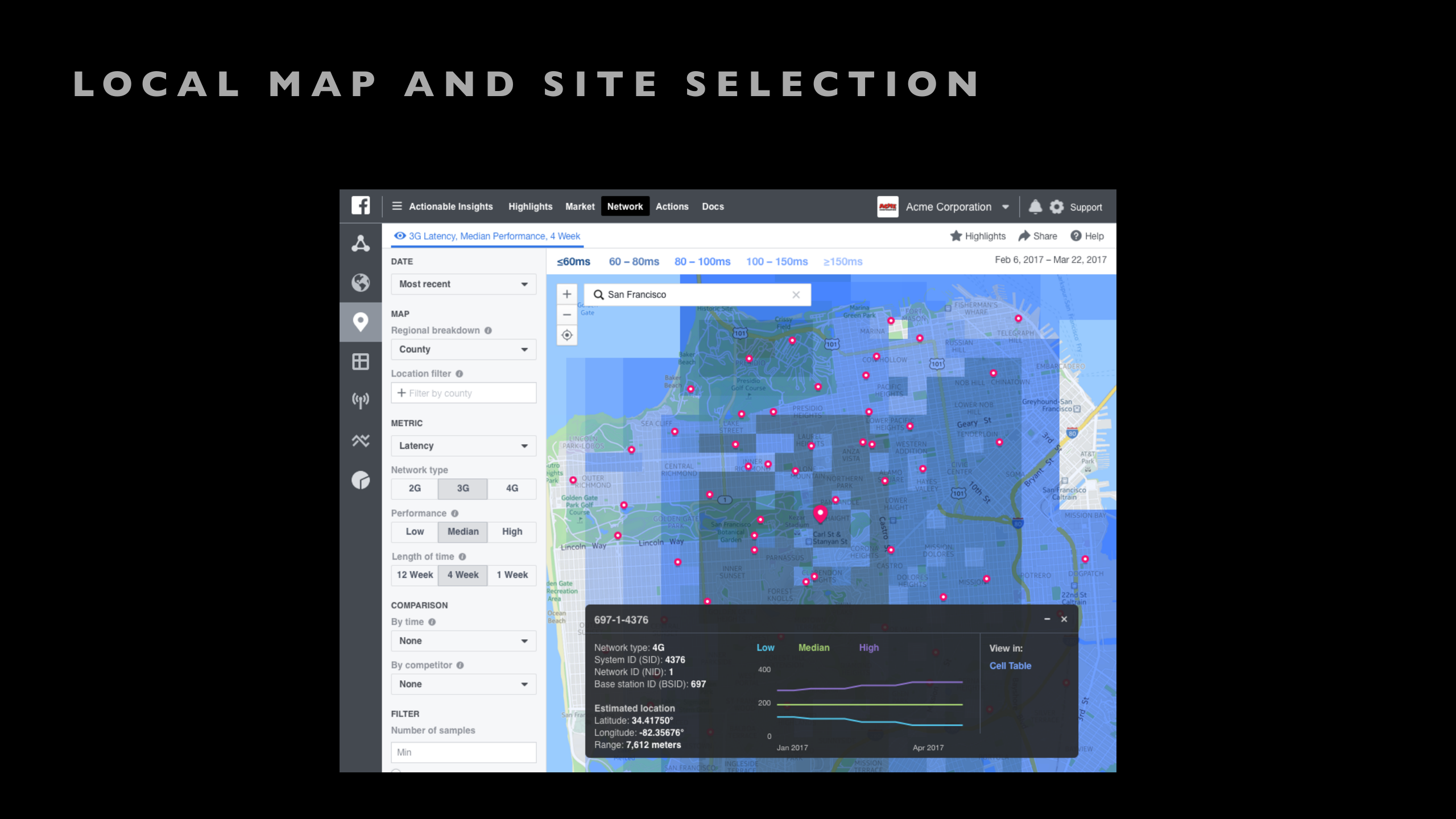
Connectivity Lab required an interface that could turn geographic, demographic, and network-performance signals into operational judgment.
Performance signals, geography, and market-level information became an environment where experts could locate weak spots and inspect relationships.
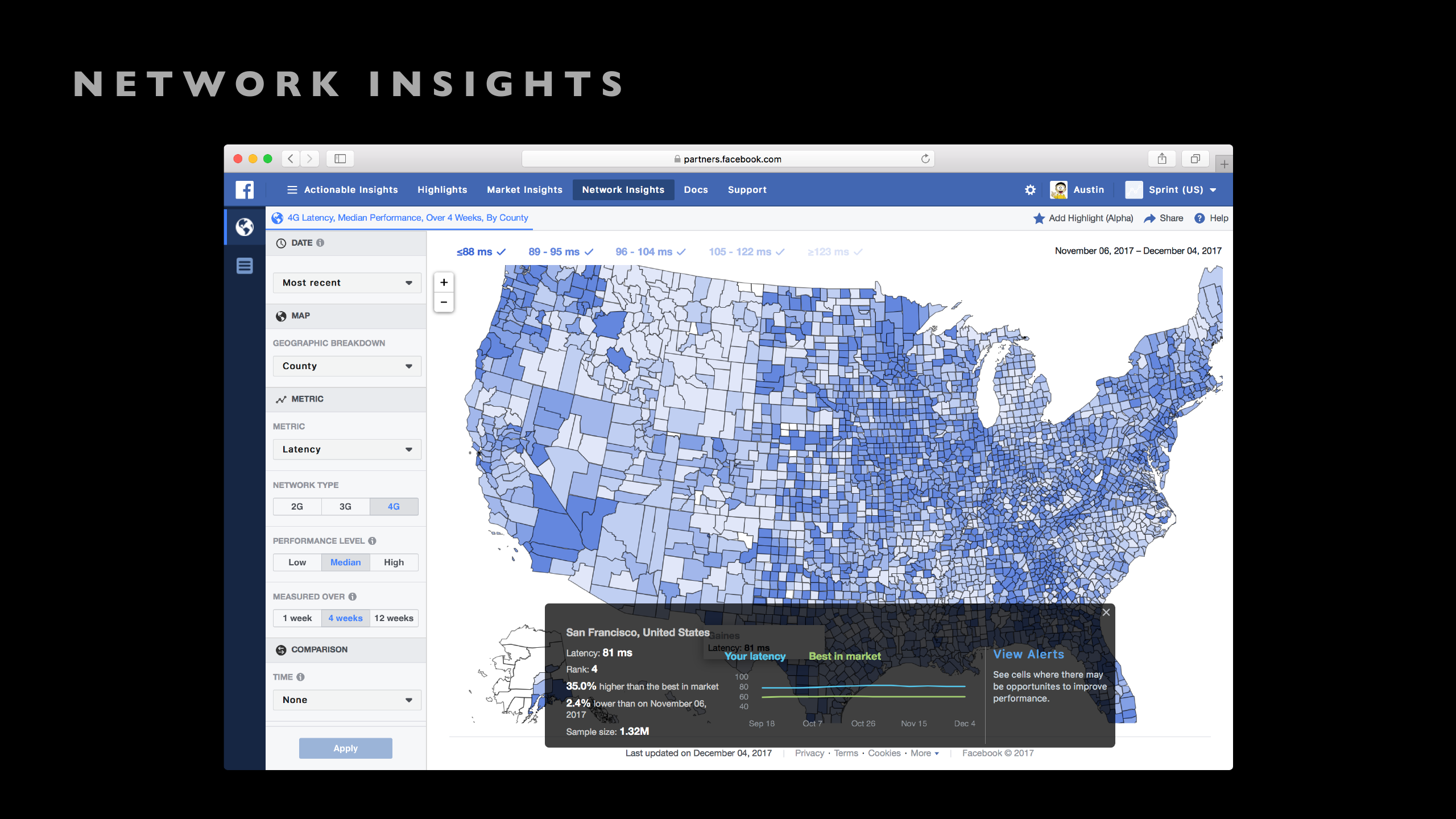
Regional intelligence had to narrow into specific geographic decisions without pretending the judgment was purely mechanical.
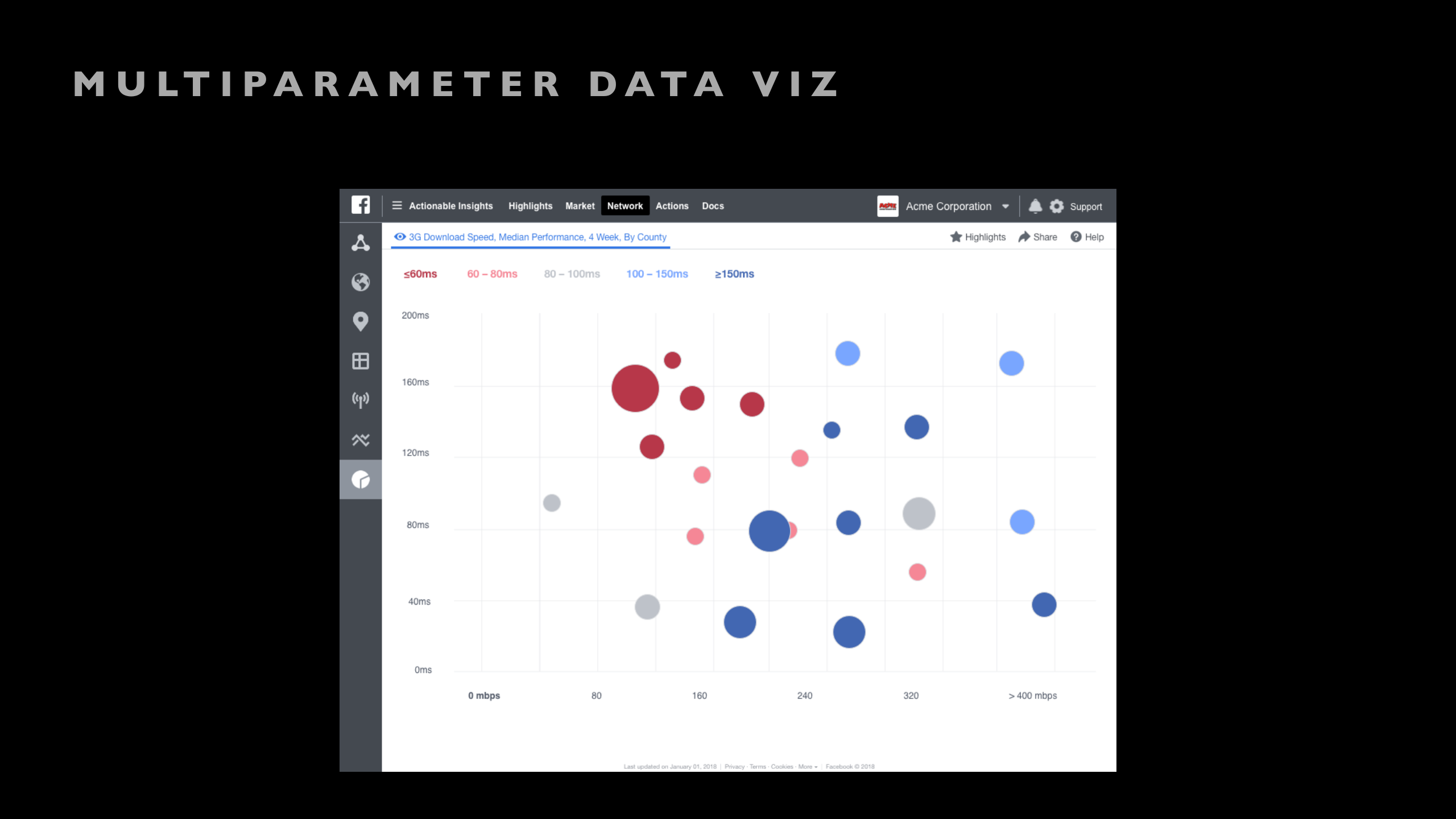
Scatter plots, rankings, and linked views helped reveal how markets behaved differently depending on the metric being emphasized.
Meta / 03
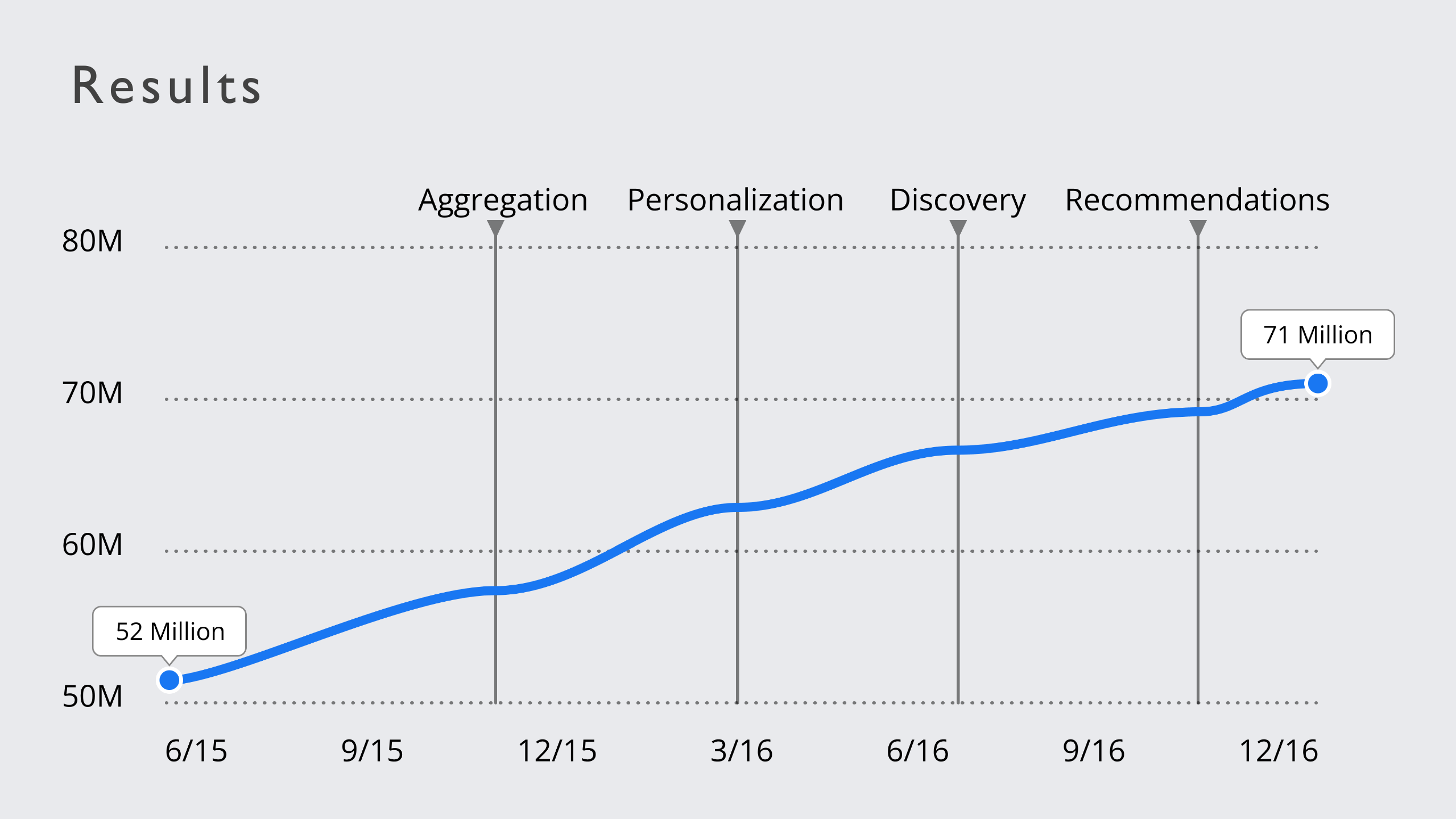
Pages connected product design to growth science through recommendations, story formats, personalization logic, and experiment results.
Stories became a lightweight discovery surface for businesses and a distribution opportunity for Page admins.
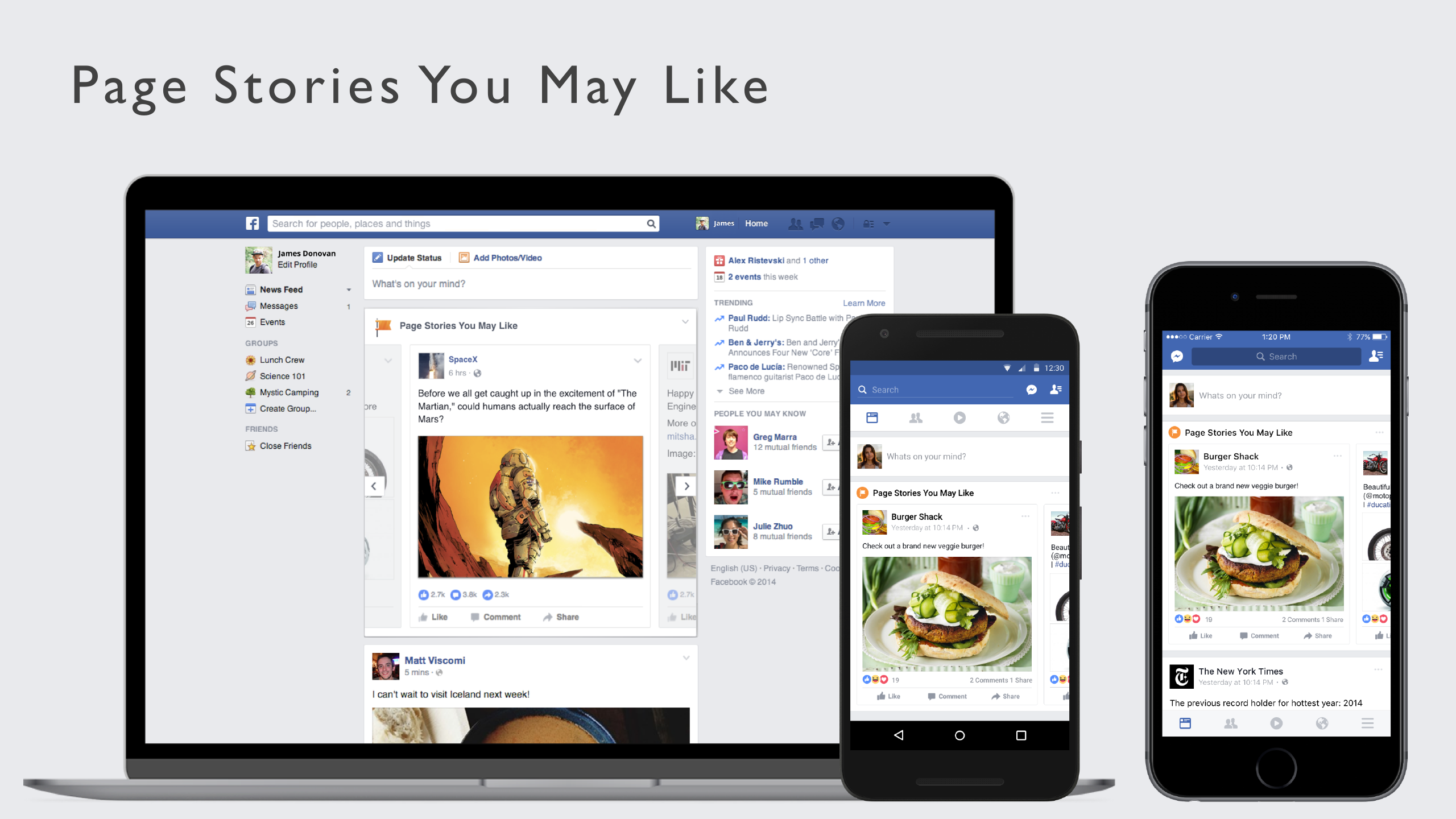
One recommendation strategy could take multiple forms depending on content, audience, and context.
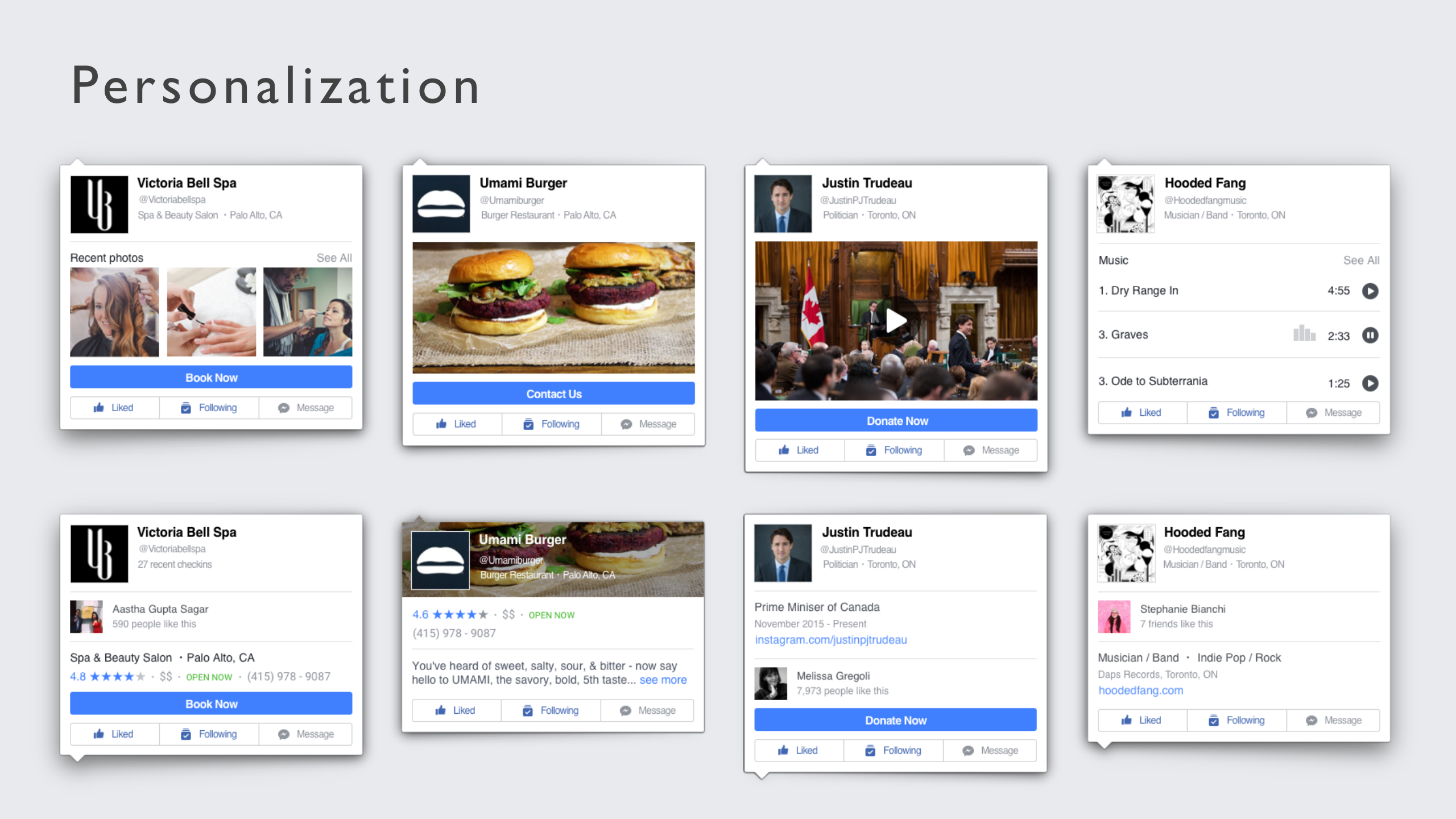
Results connected design exploration back to evidence, relevance, aggregation, and user intent.
Next case-study pass
Kernel, Quora/Poe, and DroneDeploy should follow the same route pattern once their source screenshots are exported into the web project cleanly.